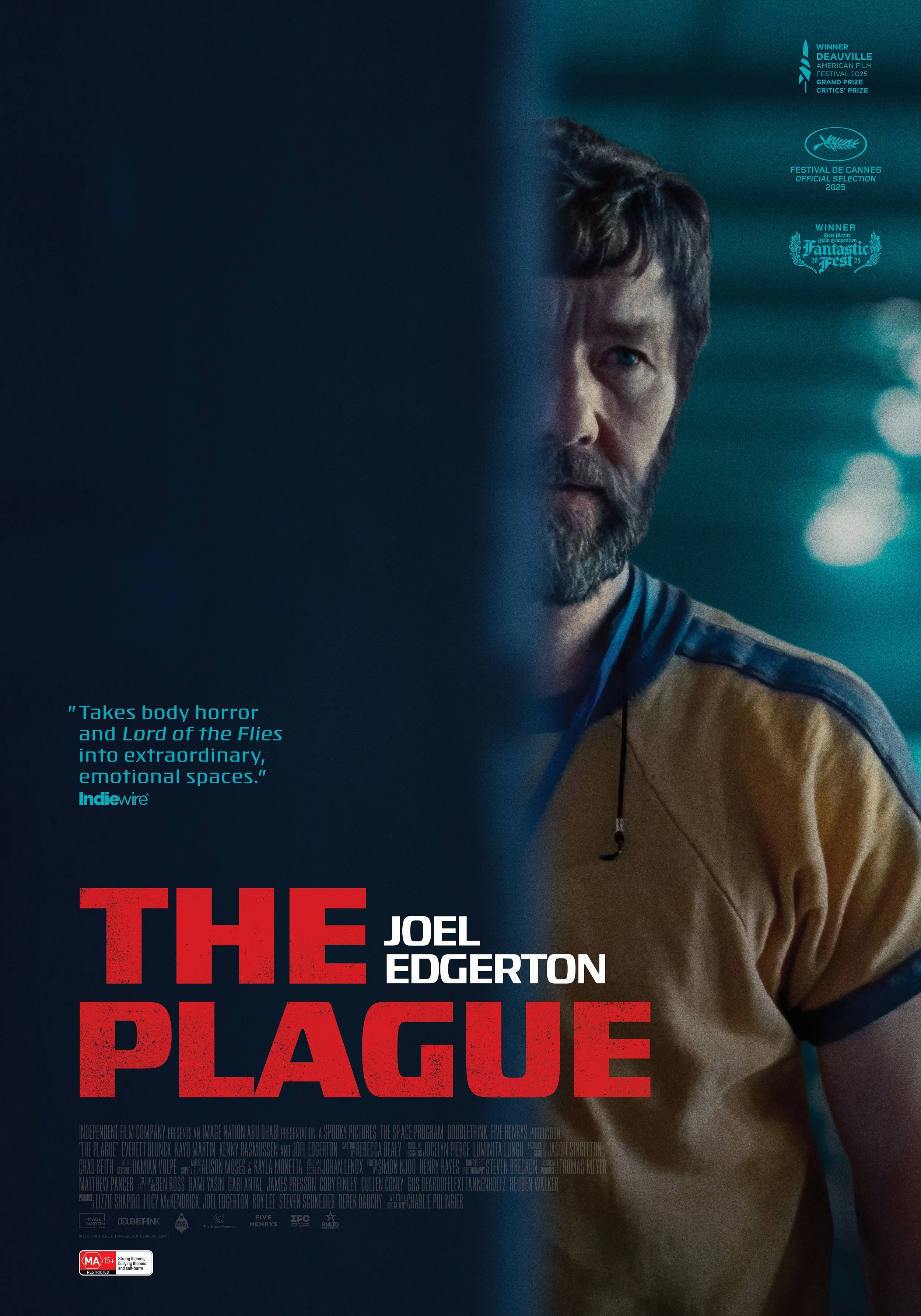
Australia/United Arab Emirates/United States/Romania | 2026 | Directed by Charlie Polinger
Logline: A socially awkward tween endures the ruthless hierarchy at a water polo summer camp, his anxiety spiraling into psychological turmoil and palpable horror.
The debut feature from Australian writer/director Charlie Polinger is a powerful and haunting study on the perceived and experienced horrors of bullying and ostracisation, and the pressures of conformity, focusing on a bunch of young adolescent boys, and the subtle and not-so-subtle effects the alienation has on the victims and perpetrators.
Set in 2003 at an all-boys’ water polo summer camp (there’s an all-girls artistic swimming summer camp happening adjacent, and occasionally they intersect), the story begins with the arrival of Ben (Everett Blunck), a gawky 12-year-old, who immediately feels the oppressive presence of Jake (Kayo Martin), the sly, charismatic leader of the boys’ group.
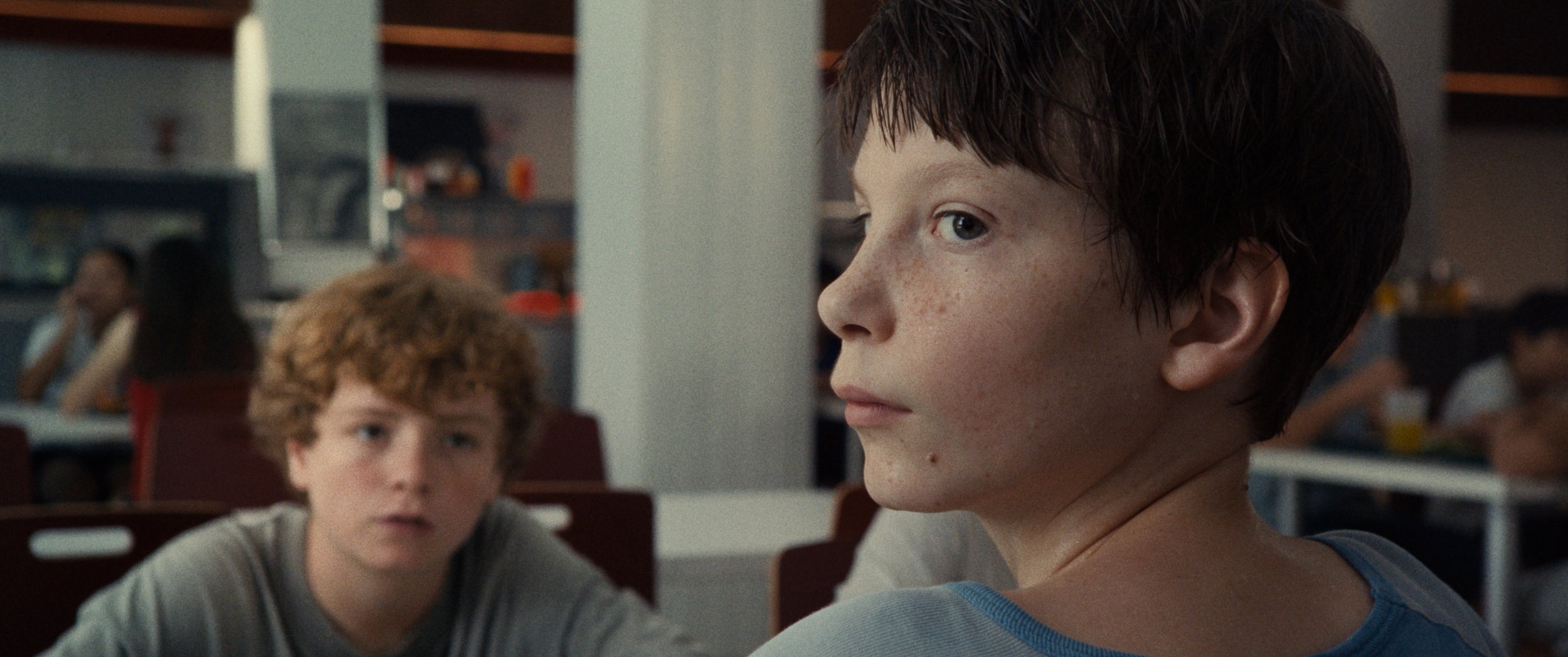
Jake is your classic bully and Ben is soon to find out just how nasty he can be. Eli (Kenny Rasmussen), another in the group, has been cruelly targeted because he has “the plague”, a mysterious disease manifesting as rashes and abrasions on the body and face, and, as Jake insists, leading to a rot of the mental faculties.
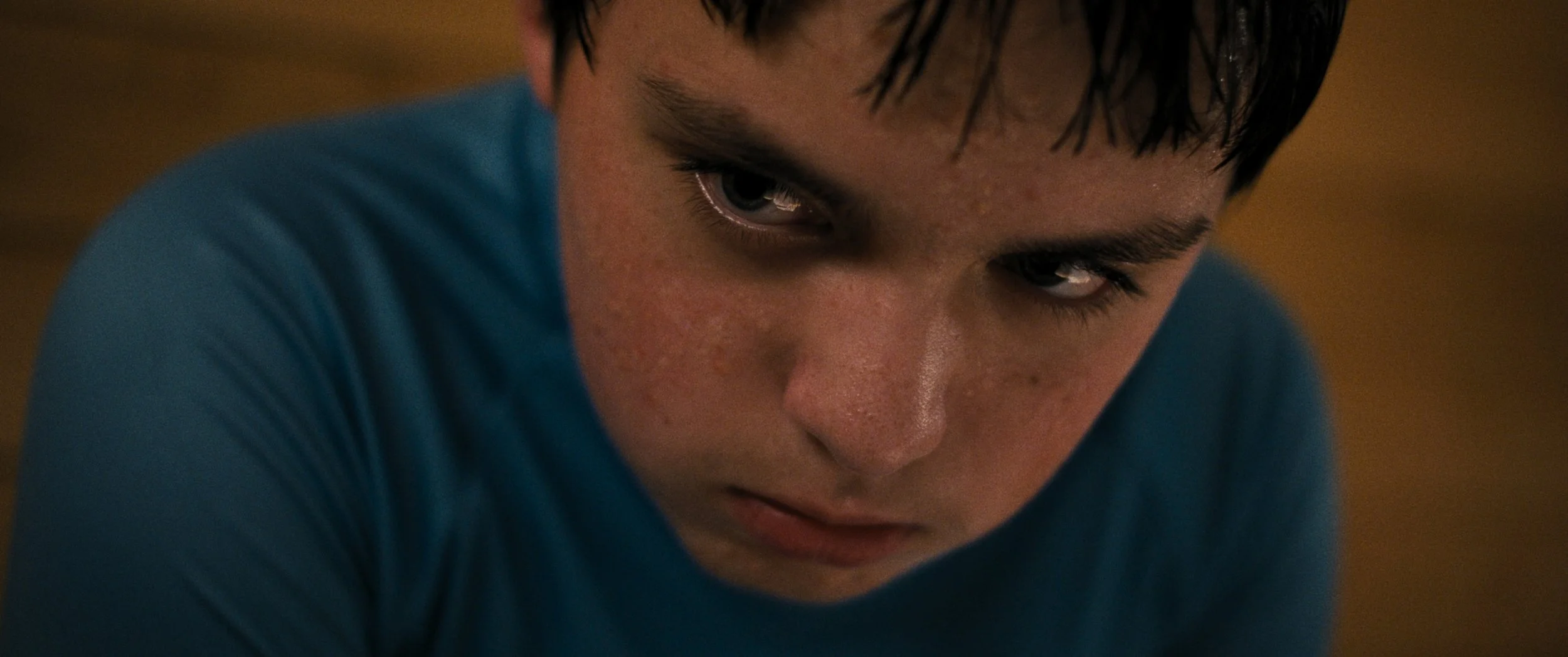
Eli keeps to himself, fully aware of being the outlier, while Ben struggles to understand just what the affliction actually is. He’s being treated as an outsider too, and with a slight speech impediment that isn’t helping matters. Frustratingly, the boys’ water polo coach (Joel Edgerton), dealing with the boys burgeoning masculine, yet juvenile mischief, is of no great support. The tension is ratcheted up as Ben and Jake and Eli become entangled in a dangerous game of torment and trickery, fueled by duplicity and (ir)rational fear.
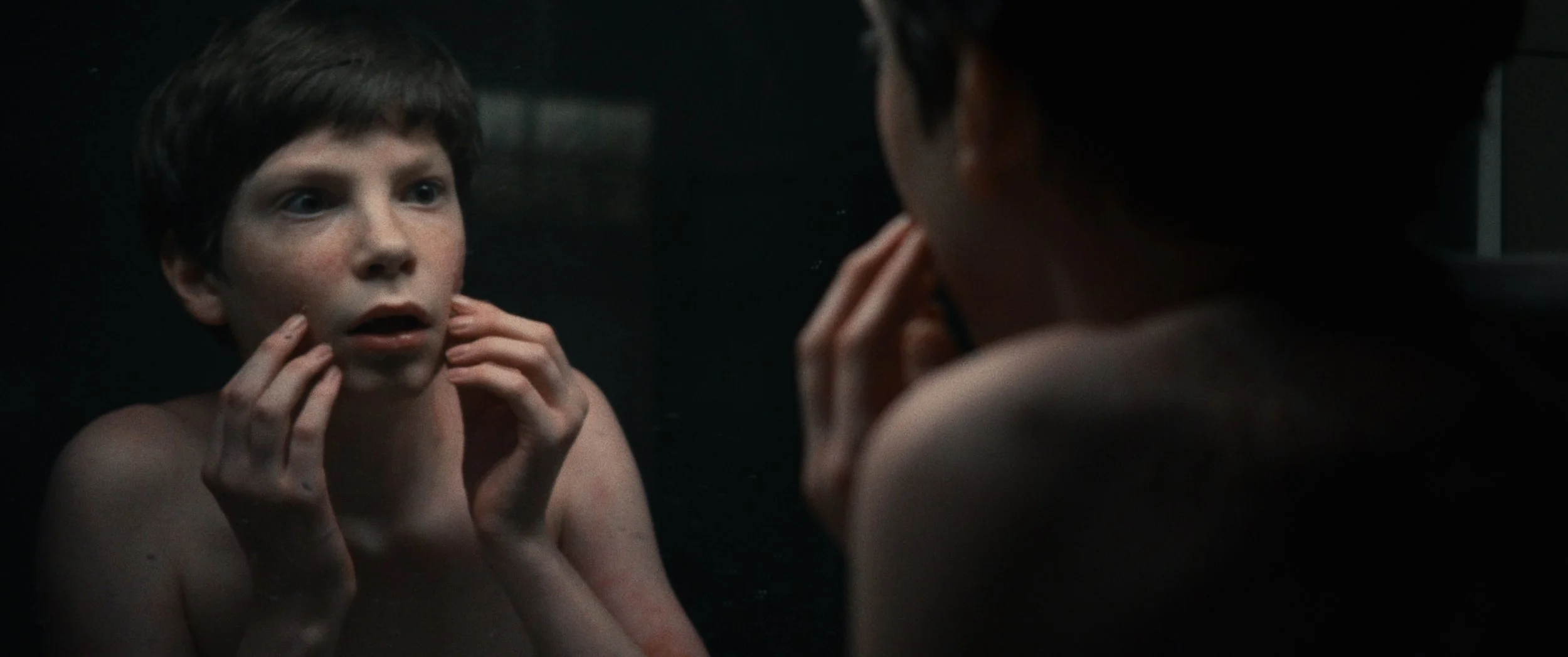
It’s a twisted coming-of-age drama wrapped around a sweaty psychological thriller that flirts with realistic body horror. Superbly directed and photographed, and astutely performed by the central leads (although Edgerton’s role feels underwritten and distracting – the casting of a leading actor in a very supporting role), it also features a dynamic score that utilises accapella voices, reminding me of Cristobal Tapia de Veer’s brilliant score on the first two seasons of The White Lotus.
The Plague is a unique take on childhood anxieties and loneliness, and the fragility of the adolescent psyche under pressure. We all want to dance like nobody’s watching.