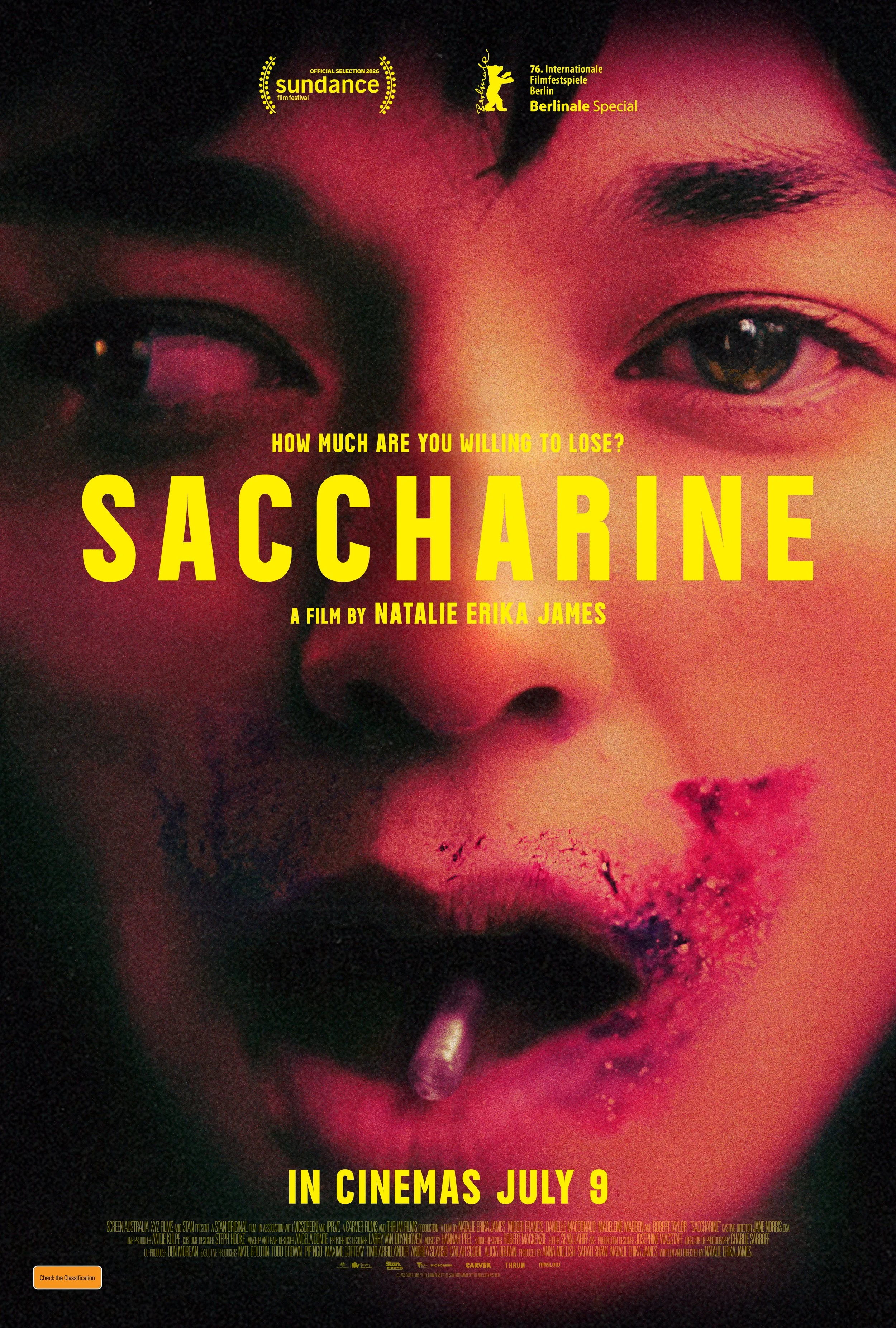
Australia/Finland | 2026 | Directed by Natalie Erika James
Logline: A young woman, desperate to lose weight, embraces a radical procedure that spirals into increasingly sinister consequences.
Following Natalie Erika James’ powerful debut feature, Relic, the writer/director returns with something altogether different. Gone is the creeping psychological dread, the suffocating domestic unease, and the melancholic meditation on memory. Saccharine embraces body horror instead, shifting into far louder, more visceral territory, trading creeping darkness and whispered anxieties for suffocating flesh and grotesque transformation.
Hana (Midori Francis) is a medical student, a bit of a wallflower, she struggles with body dysmorphia and binge-eating. She has eyes for glamorous gym trainer, Alanya (Madeleine Madden), and in a bid to up her self-confidence finds herself swayed by the lure of a mysterious diet pill introduced by an old school friend.

Hana’s own medical analysis reveals the pill’s main ingredient: human ash. Undeterred, and with a dark fascination taking over, she takes extreme measures to make her own cost-free version, secretly stripping and cremating fleshy bone from her lab’s obese female cadaver. Hana continues to lose weight rapidly, but becomes tormented by the supernatural presence of the dead woman.

Like Relic, Saccharine is rich in metaphor. The horror isn't simply physical, but social, cultural, and deeply personal. Yet, it’s impossible to discuss Saccharine without acknowledging the considerable shadow cast by Coralie Fargeat’s body-horror satire, The Substance. While James is exploring her own ideas about beauty, identity, and self-destruction, the thematic and visual similarities are difficult to ignore. While no filmmaker owns a genre, Saccharine feels less like a fresh evolution of body-horror than an echo of a film that has only recently pushed very similar ideas to wild extremes. There are also reflections of David Cronenberg’s stark tale of obsession, mutation, and madness, Dead Ringers, that resonate strongly.
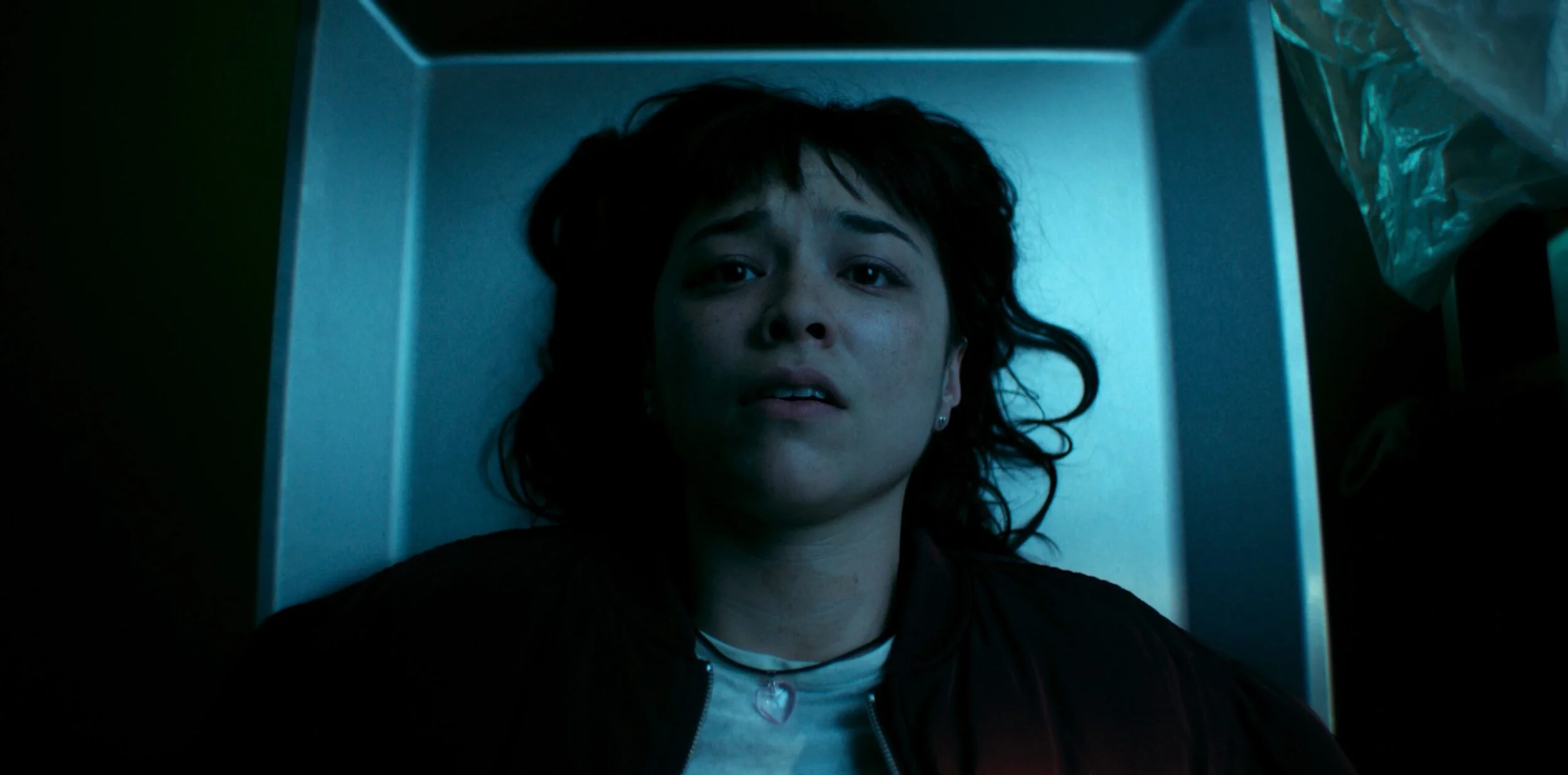
Similarities aside, James is an assured visual storyteller. Even when the narrative occasionally loses its footing or doesn’t quite know when to end, there is a striking, stylistic savvy behind the framing, the editing, the juxtaposition of imagery. But unlike Relic, where atmosphere seeped into every crack, Saccharine struggles to generate that same lingering sense of unease. It’s not the obvious satire that The Substance is, but some scenes come across as unintentionally comedic and incongruous with the film’s overall tone.
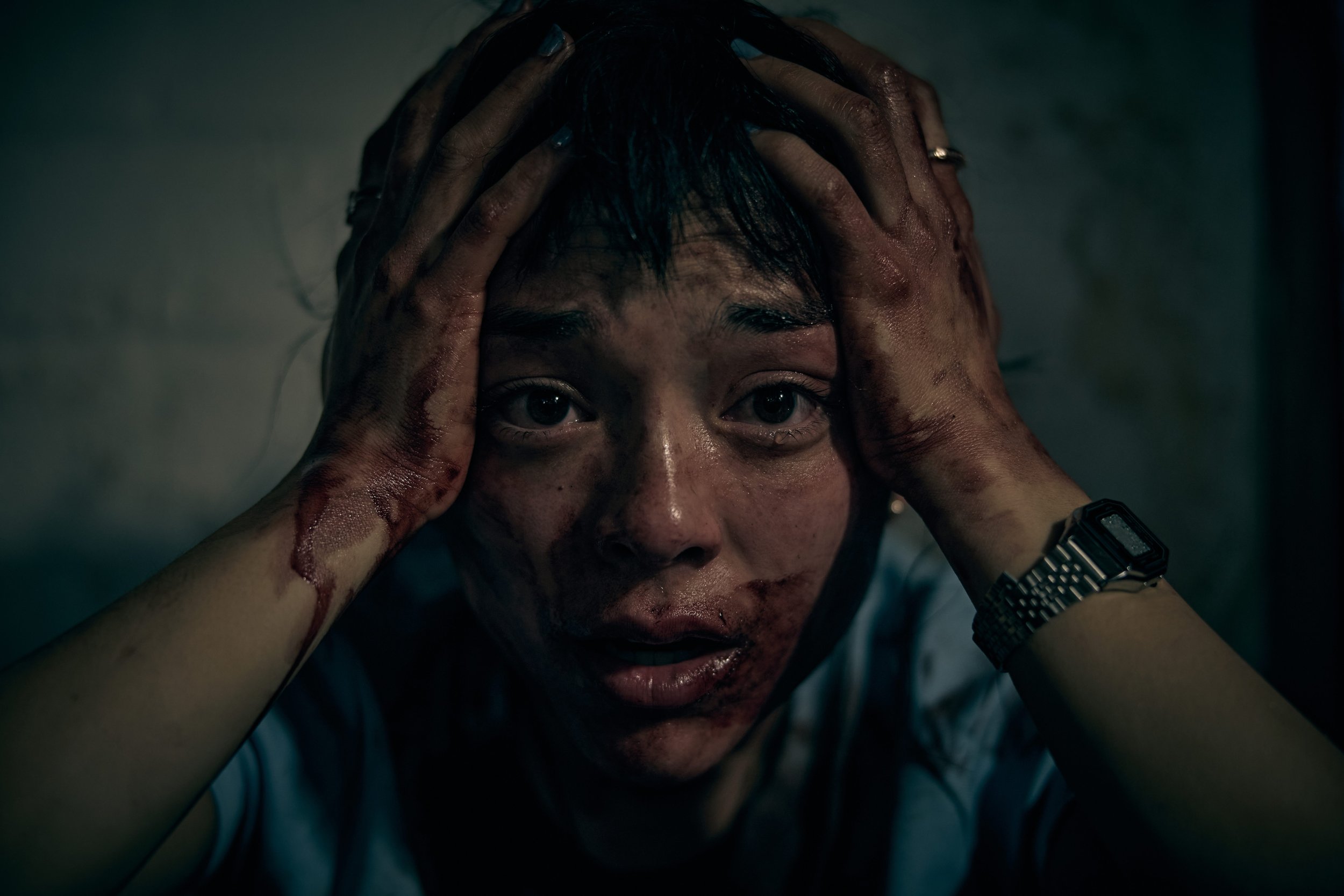
Horror is remarkably forgiving of limited resources when atmosphere fills the gaps and acting is spot on. The performances of Midori Francis and Madeleine Madden are notable in what is a very small key cast. However, Hannah Peel’s pronounced, percussive electronic soundtrack seemingly tries to distract from, even overcompensating, for a superficiality that permeates the movie. Most of the action unfolds within stylised, interior locations, giving the film a curiously enclosed, fabricated quality. Occasionally that confinement works in the story's favour, heightening the characters' psychological entrapment, but it also makes the production feel smaller than its ambitions; Saccharine looks and feels more like the debut, rather than the sophomore feature.